

For Fire-Resistant Coatings
Micronized Pentaerythritol for Coatings, Inks & Resin Systems
The carbon source engineered for smooth films, uniform dispersion, and reliable fire performance in intumescent coatings and functional inks.
Ultra-Soft
Ultra-Soft
Ultra-Soft
Ultra-Soft
Request Coating Sample

The Dispersion Challenge. Solved.
Conventional Pentaerythritol
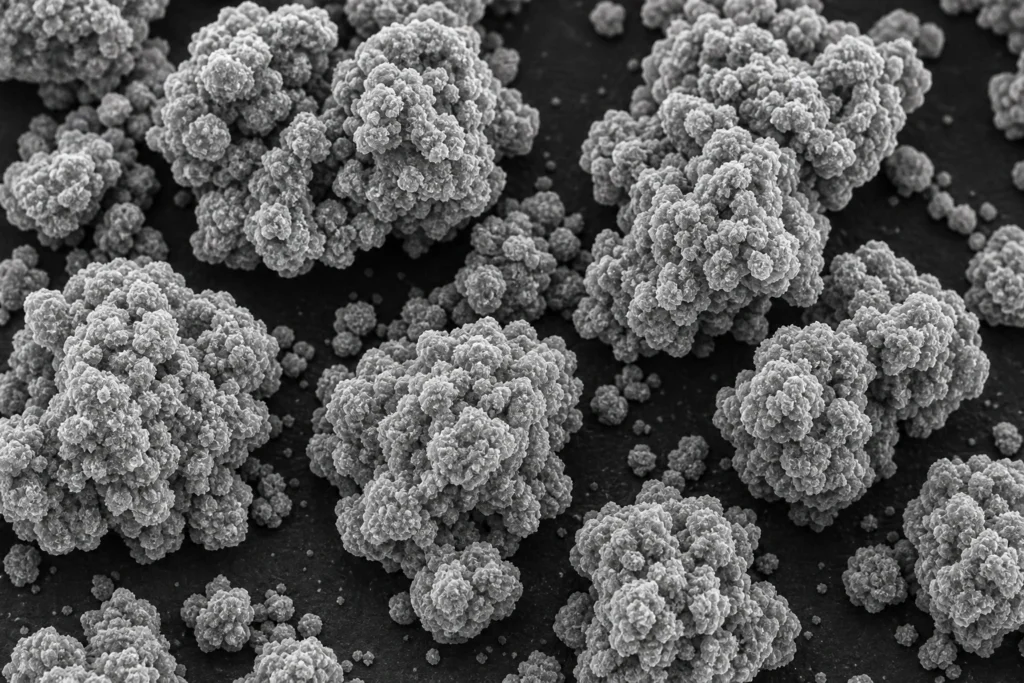
Agglomeration
Irregular particles lead to agglomeration and poor dispersion.
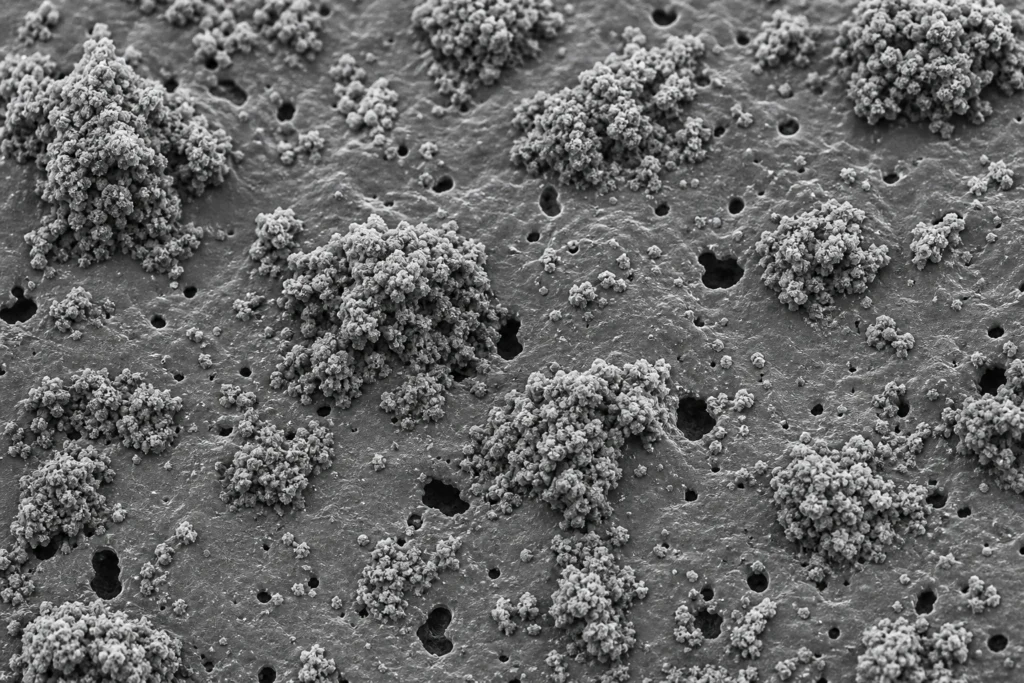
Agglomeration
Irregular particles lead to agglomeration and poor dispersion.
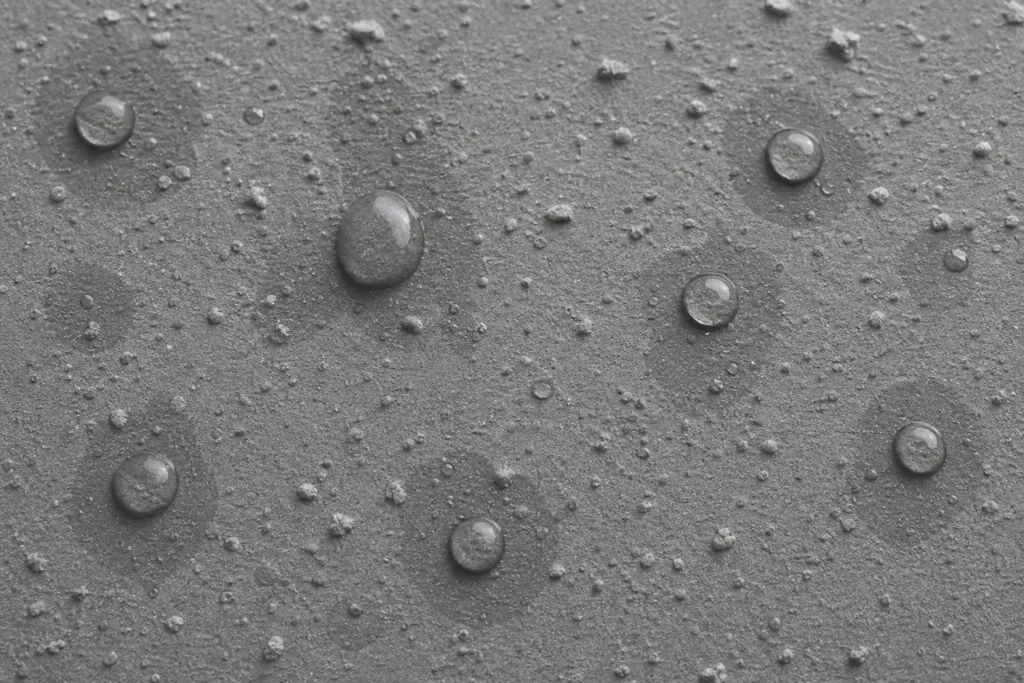
Agglomeration
Irregular particles lead to agglomeration and poor dispersion.
VS
Micronized Pentaerythritol (PE)
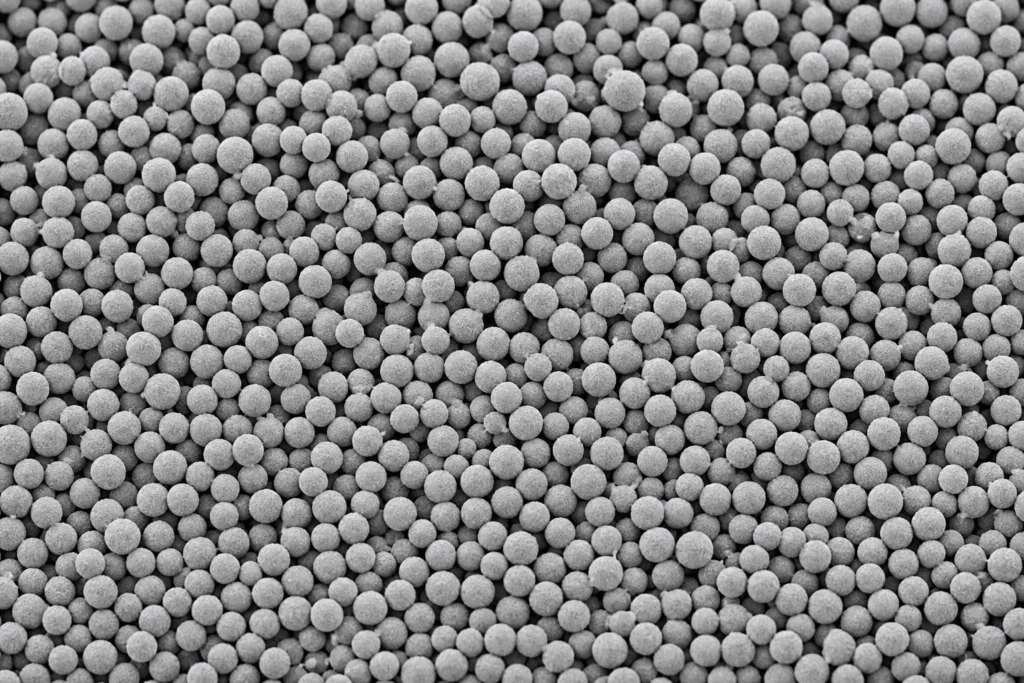
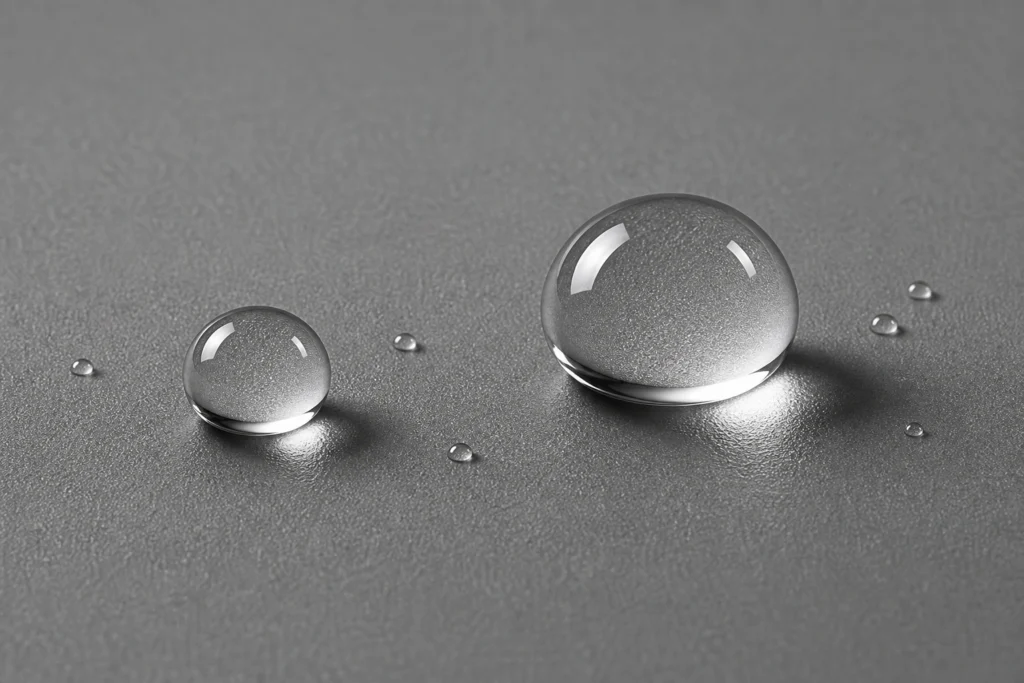
Narrow PSD
Tight particle size distribution for minimal agglomeration.

Narrow PSD
Tight particle size distribution for minimal agglomeration.
Narrow PSD
Tight particle size distribution for minimal agglomeration.
Engineered for Performance in Real Applications
1. Intumescent Fire-Resistant Coatings
Mechanism
Acts as an effective carbon source with APP/Melamine, promoting the formation of expanded, cohesive char layers to insulate and protect the substrate.
Advantages
Ultra-fine particles deliver uniform dispersion and compact formulation.
Low water sensitivity ensures stable processing and long term storage.
High char yield and integrity for superior fire protection.
Typical Applications
Steel structure coatings
Cable fire-protective coatings
Decorative fire-retardant coatings
Compatible Resin Systems
Epoxy, Acrylic, Polyester, Polyurethane, Alkyd
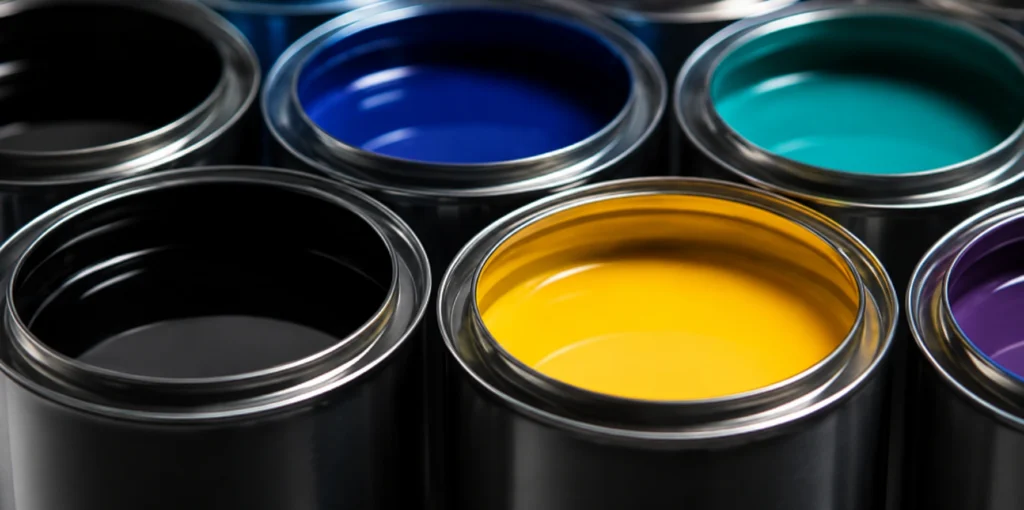
2. Flame-Retardant Inks
Mechanism
Works synergistically with flame retardants to enhance char formation and reduce heat release during combustion.
Advantages
Ultra-fine particles for no screen clogging and excellent printability.
Good dispersion without affecting gloss, color or adhesion.
Low hygroscopicity for stable viscosity and storage.
Typical Applications
Cable marking inks
Textile printing inks
Decorative and outdoor inks
Compatible Resin Systems
Acrylic, Polyurethane, Epoxy, NC, UV-curable
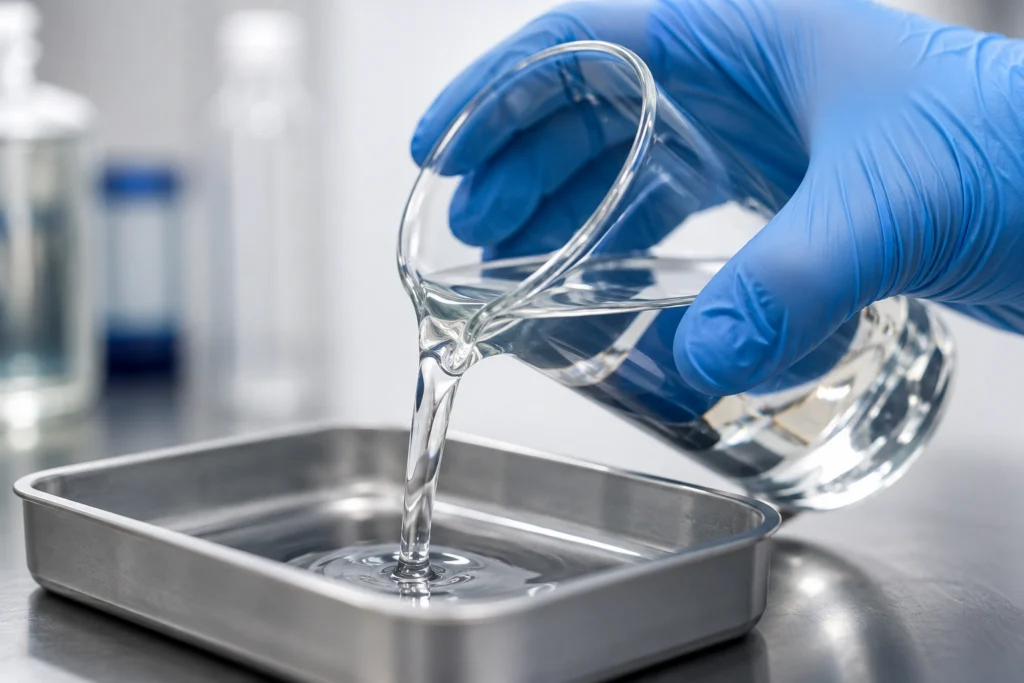
3. Resin Formulations
Mechanism
Serves as an efficient carbon source with APP/Melamine systems to improve char stability and flame retardancy of polymers.
Advantages
Compatible with a wide range of polar and non-polar resins.
Uniform dispersion for consistent performance.
Thermal stability to support high processing temperatures.
Typical Applications
Epoxy resin systems
Acrylic resin systems
Polyurethane resin systems
Compatible Resin Systems
Epoxy, Acrylic, Polyurethane, Polyester, Polyolefin
Formulation Compatibility Matrix
Resin / System Type
Challenges
Micronized PER Solutions
Performance Metrics
Water-based
Acrylic/PU
Acrylic/PU
Agglomeration, sedimentation,
viscosity issues
viscosity issues
Narrow PSD, low hygroscopicity, stable storage
Storage stability viscosity change <=10%
over 7 days
over 7 days
Solvent-based
Epoxy
Epoxy
Polarity mismatch, dispersion
problems
problems
Surface-modified for uniform dispersion, no
adhesion impact
adhesion impact
Coating adhesion grade 0-1 level
UV/EB Curable
Systems
Systems
Coarse particles causing defects,
uneven curing
uneven curing
Ultra-fine particles, no light interference,
defect-free curing
defect-free curing
No pinholes / fish eyes after cure
Solventless / High
Solids Systems
Solids Systems
Dispersion difficulty in high
viscosity, agglomeration
viscosity, agglomeration
High dispersibility, low addition rate, efficient
carbon formation
carbon formation
Gloss retention >=90%
Water-based Acrylic/PU
Challenges
Agglomeration, sedimentation, viscosity issues
Micronized PER Solutions
Narrow PSD, low hygroscopicity, stable storage
Performance Metrics
Storage stability viscosity change <=10% over 7 days
Solvent-based Epoxy
Challenges
Polarity mismatch, dispersion problems
Micronized PER Solutions
Surface-modified for uniform dispersion, no adhesion impact
Performance Metrics
Coating adhesion grade 0-1 level
UV/EB Curable Systems
Challenges
Coarse particles causing defects, uneven curing
Micronized PER Solutions
Ultra-fine particles, no light interference, defect-free curing
Performance Metrics
No pinholes / fish eyes after cure
Solventless / High Solids Systems
Challenges
Dispersion difficulty in high viscosity, agglomeration
Micronized PER Solutions
High dispersibility, low addition rate, efficient carbon formation
Performance Metrics
Gloss retention >=90%
Key Performance Data & Test Cases

Intumescent Fire-Resistant Coatings
22 -> 32
LOI Improvement
(when adding micronized PER)
0 Grade
Coating Adhesion
(Cross-hatch Test)

Flame-Retardant Inks
No Clogging
Screen Printing Compatibility
>= 95%
Print Clarity
No Yellowing
Thermal Stability at 150°C / 30 min

Resin Formulations
35%
Char Formation Rate
(with APP+PER System)
>= 250°C
Thermal Decomposition Temperature
Preserving Processing Window
Recommended Loading Levels by Application
Application Scenario
Recommended Loading (by total formula weight)
Recommended APP Ratio
Notes
Intumescent Fire-Resistant Coatings
8 - 15%
1 : 2 - 1 : 3
Water / solvent universal
Screen Printing Flame-Retardant Inks
5 - 10%
1 : 2
Doesn't affect print flow
Epoxy Resin FR Modification
10 - 20%
1 : 2.5
No precipitation, no cure interference
Intumescent Fire-Resistant Coatings
Recommended Loading
8 - 15%
Recommended APP Ratio
1 : 2 - 1 : 3
Notes
Water / solvent universal
Screen Printing Flame-Retardant Inks
Recommended Loading
5 - 10%
Recommended APP Ratio
1 : 2
Notes
Doesn’t affect print flow
Epoxy Resin FR Modification
Recommended Loading
10 - 20%
Recommended APP Ratio
1 : 2.5
Notes
No precipitation, no cure interference
Our Customers
Typical Industry Customers
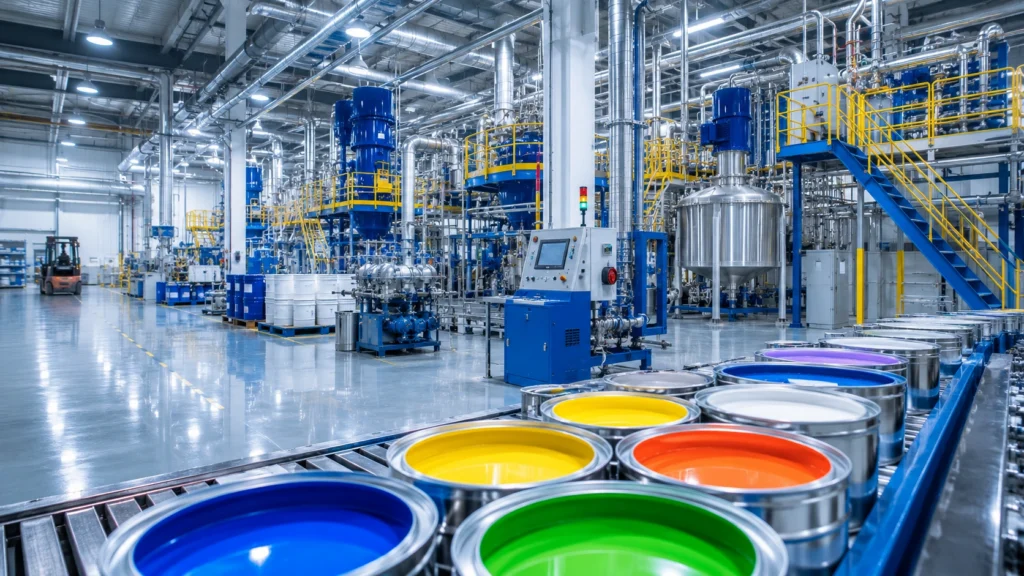
Coating Factory
Uniform micronized PER ensures stable dispersion, consistent flame retardancy, and smooth, defect-free coatings batch after batch.
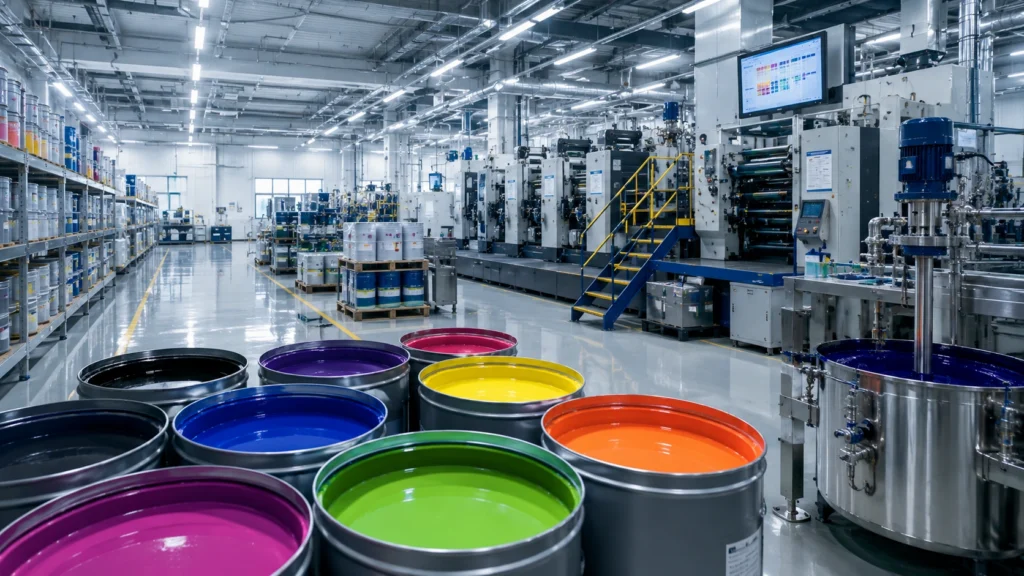
Ink Manufacturer
Fine particles prevent screen clogging, maintain print clarity, and deliver long-lasting flame resistance in decorative and industrial inks.
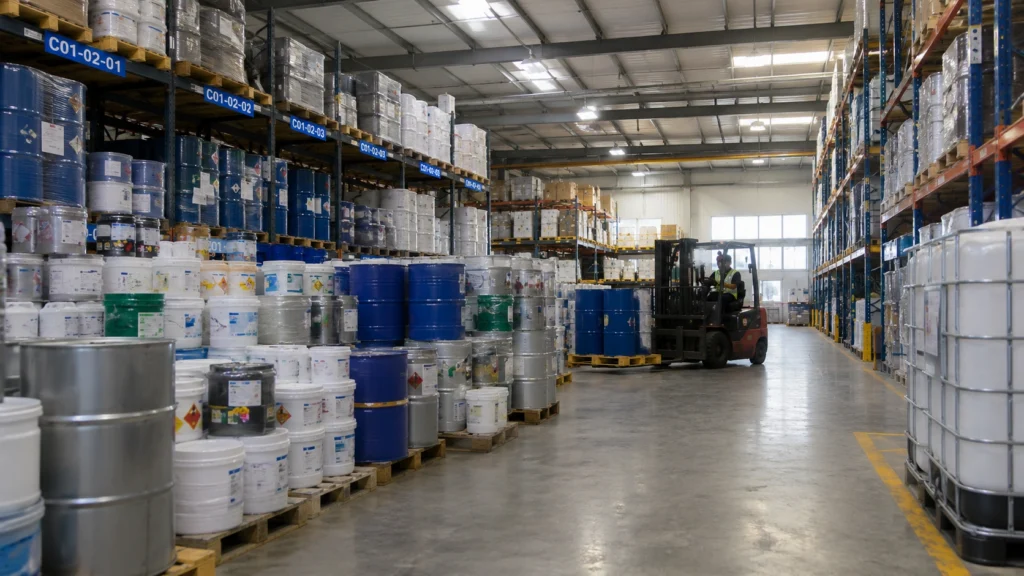
Chemical Distributor
Our micronized PER works across acrylic, epoxy, PU, and UV systems, offering broad compatibility and reliable quality for your customers.