
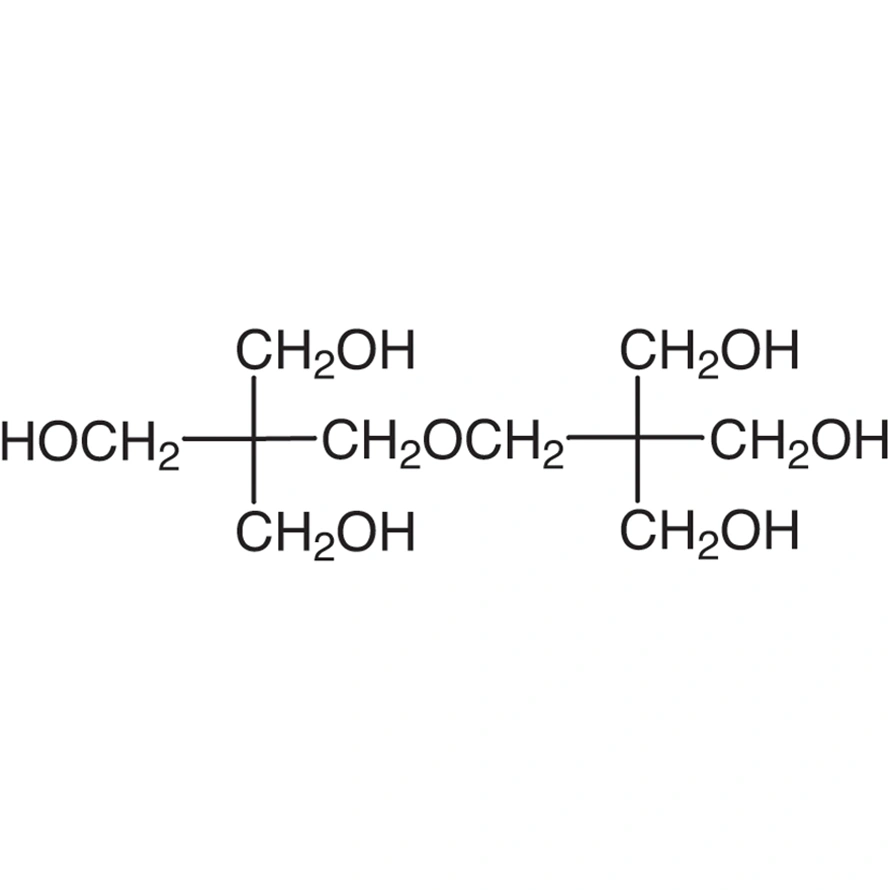
Dipentaerythritol
Functional Role in IFR Systems
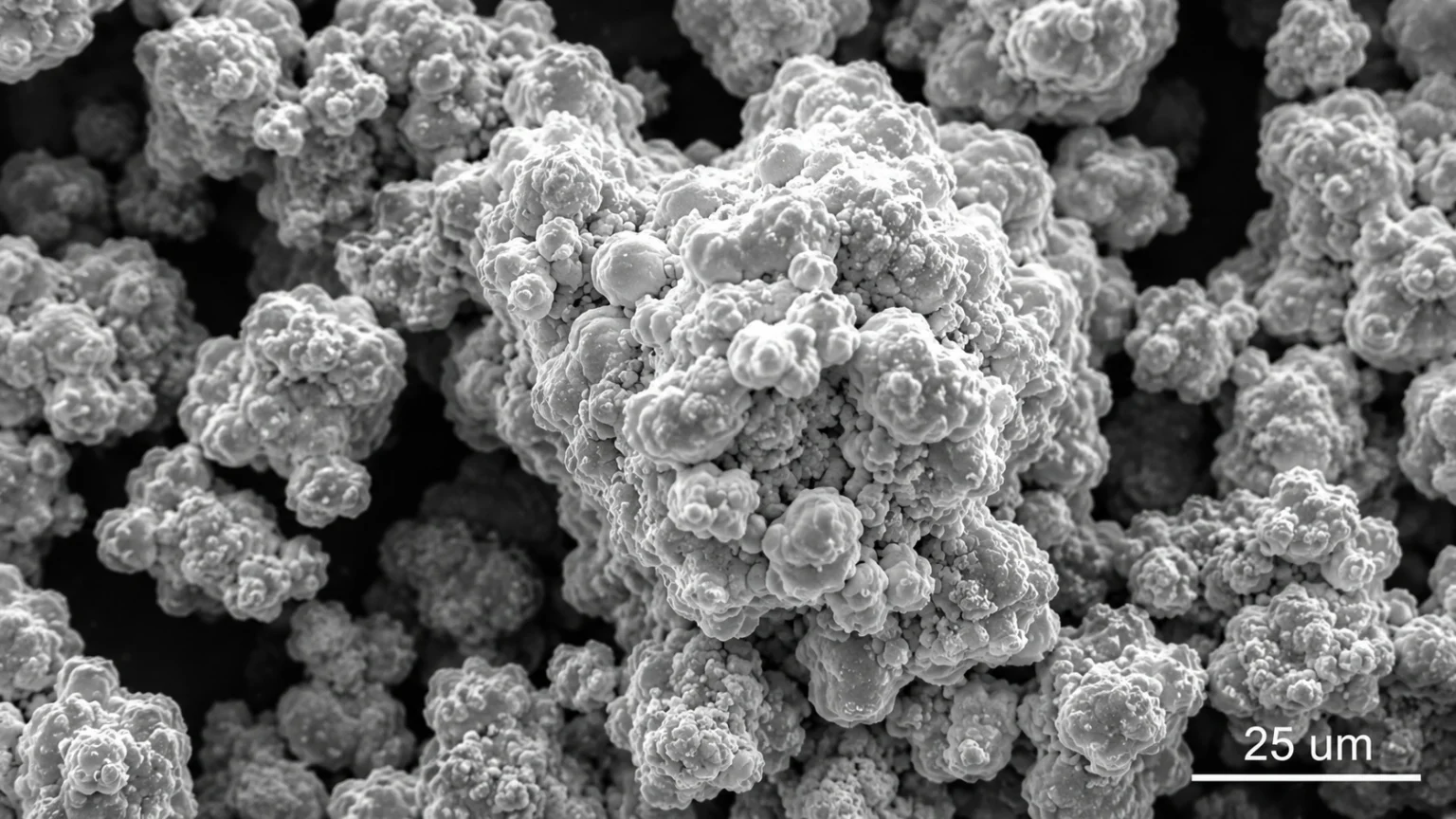
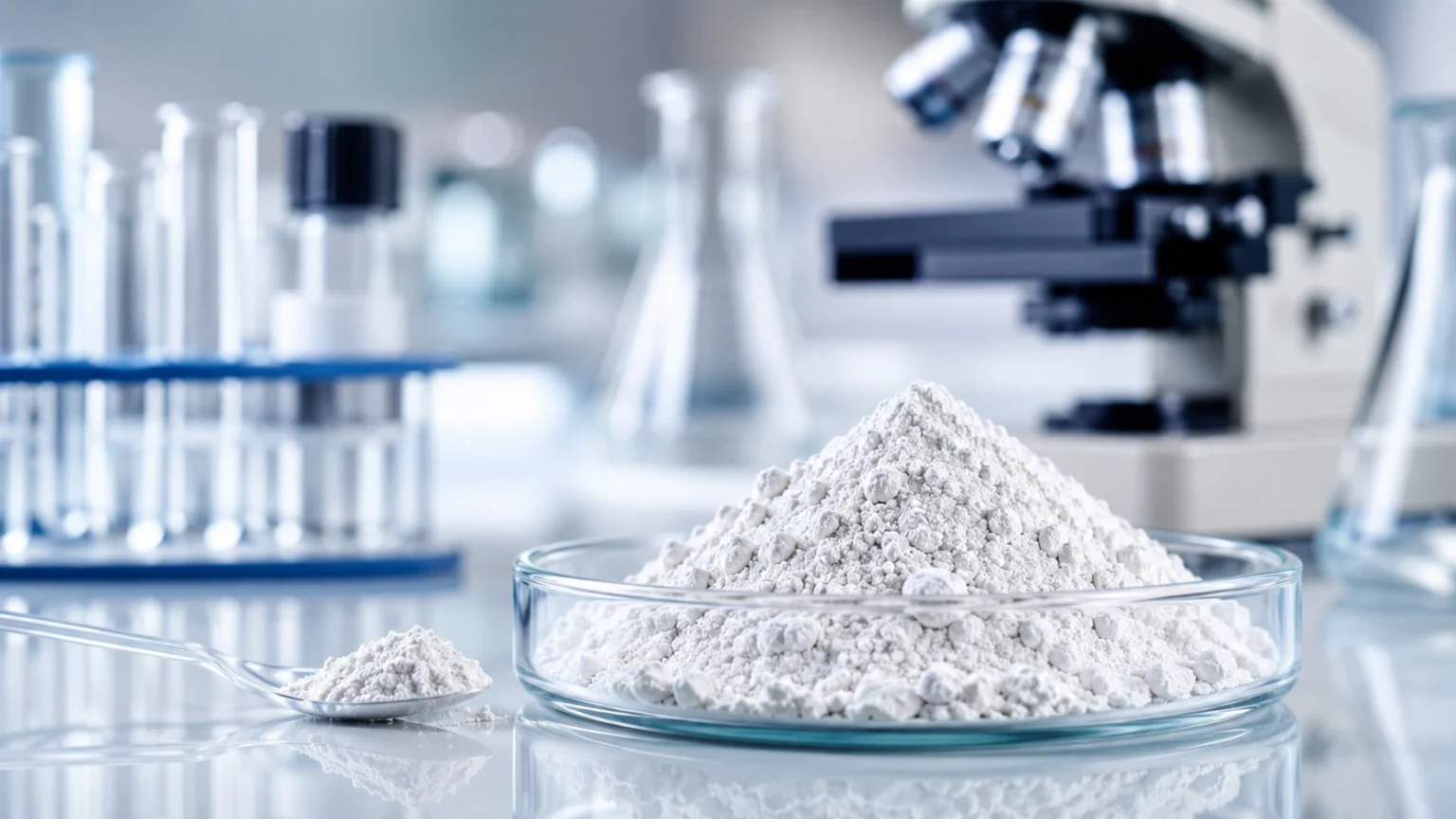
Micronized pentaerythritol is a fine particle-size powder used as a carbon source and char-forming agent in intumescent flame retardant systems, especially APP-based formulations.
Its controlled particle size supports stable dispersion in coatings, plastics, masterbatch and textile coating systems, helping formulators reduce agglomeration and improve processing consistency.
We provide application-oriented grade recommendations, sample support and technical documents to help customers match the right powder specification for testing and production.
Technical Specifications
| Item | Specification |
|---|---|
| EINECS | 204-794-1 |
| InChI | InChI=1/C10H22O7/c11-1-9(2-12,3-13)7-17-8-10(4-14,5-15)6-16/h11-16H,1-8H₂ |
| InChIKey | TXBCBTDQIULDIA-UHFFFAOYSA-N |
| Density | 1.36 g/cm³ (20℃) |
| Melting Point | 215-218 °C (lit.) |
| Boiling Point | 356 °C |
| Flash Point | 282.1 °C |
| Water Solubility | 0.29 g/100 mL (20 ℃) |
| Solubility | 2.4 g/L |
| Refractive Index | 1.4455 (estimate) |
| pKa | 13.38±0.10 (Predicted) |
| pH Value | 5 (2 g/L, H₂O, 20℃) |
| Storage Condition | Store below +30°C. |
| Sensitivity | Hygroscopic |
| Appearance | Crystalline Powder |
| Color | White |
| MDL Number | MFCD00004691 |
| Safety Phrases | 24/25 - Avoid contact with skin and eyes. |
| WGK Germany | 1 |
| TSCA | Yes |
| HS Code | 29094919 |
Purity Grades Comparison
Industrial Applications

Mechanism
The polyhydroxy structure can be converted into high-functionality acrylates, introducing reactive groups that undergo rapid UV or electron beam curing and build a dense crosslinked network.
Core Advantages
- Ultra-high crosslink density and fast curing speed.
- Outstanding surface hardness, scratch resistance, chemical resistance and high gloss.
End-Use
{acf_application_items_end_use_examples}

Mechanism
Esterification creates highly stable polyol ester base oils with a strong molecular structure for demanding lubrication environments.
Core Advantages
- Excellent high-temperature thermal oxidation stability and low volatility.
- Superior viscosity-temperature properties and good biodegradability.
End-Use
{acf_application_items_end_use_examples}

Mechanism
Its rigid polyhydroxy structure increases molecular weight and branching degree, strengthening resin networks during synthesis and curing.
Core Advantages
- Improves film drying speed, hardness, gloss and color retention.
- Enhances water resistance, alkali resistance and mechanical strength.
End-Use
{acf_application_items_end_use_examples}
Mechanism
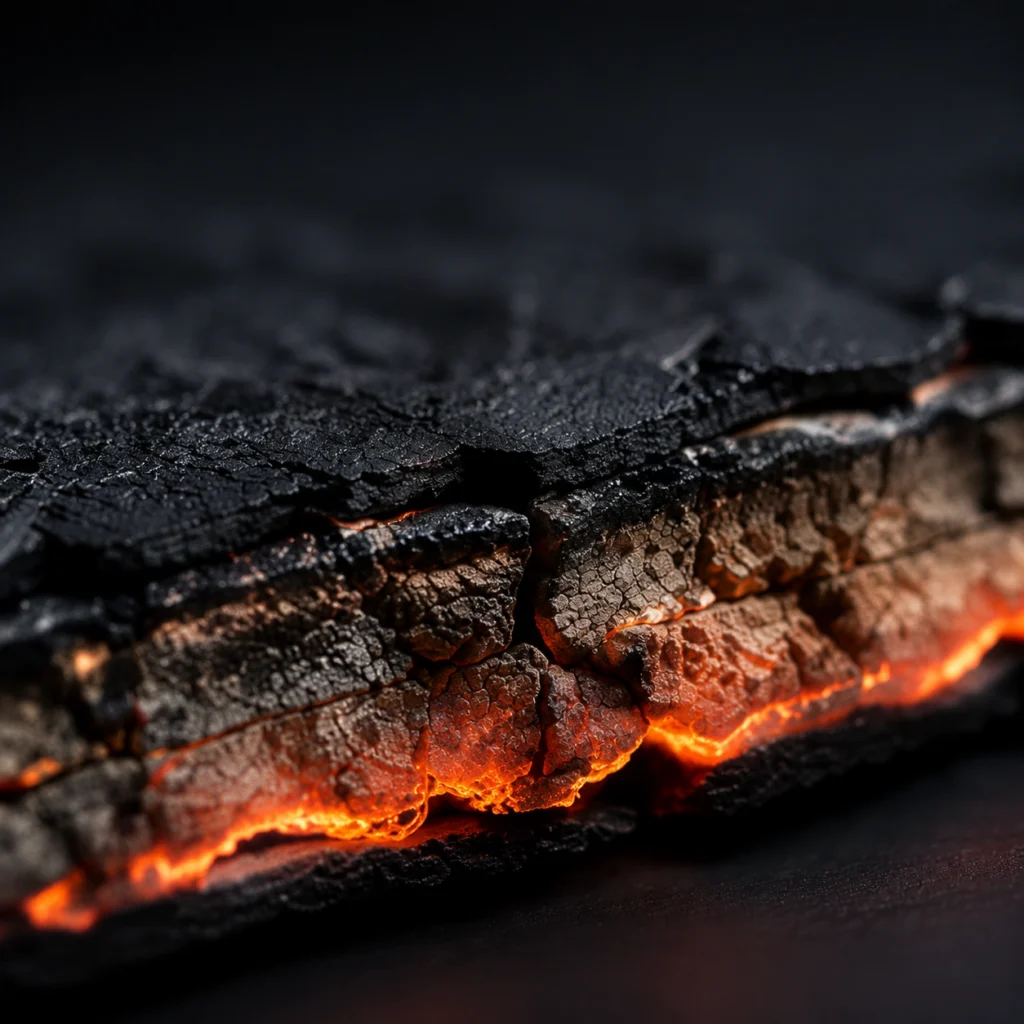
It is commonly combined with Ammonium Polyphosphate (APP) and Melamine. Under high temperature, dipentaerythritol rapidly dehydrates and carbonizes to form a dense, rigid intumescent char layer.
Core Advantages
- The char layer isolates oxygen and heat and prevents melt dripping.
- Low-smoke, non-toxic combustion behavior for eco-friendly halogen-free systems.
End-Use
{acf_application_items_end_use_examples}
Mechanism
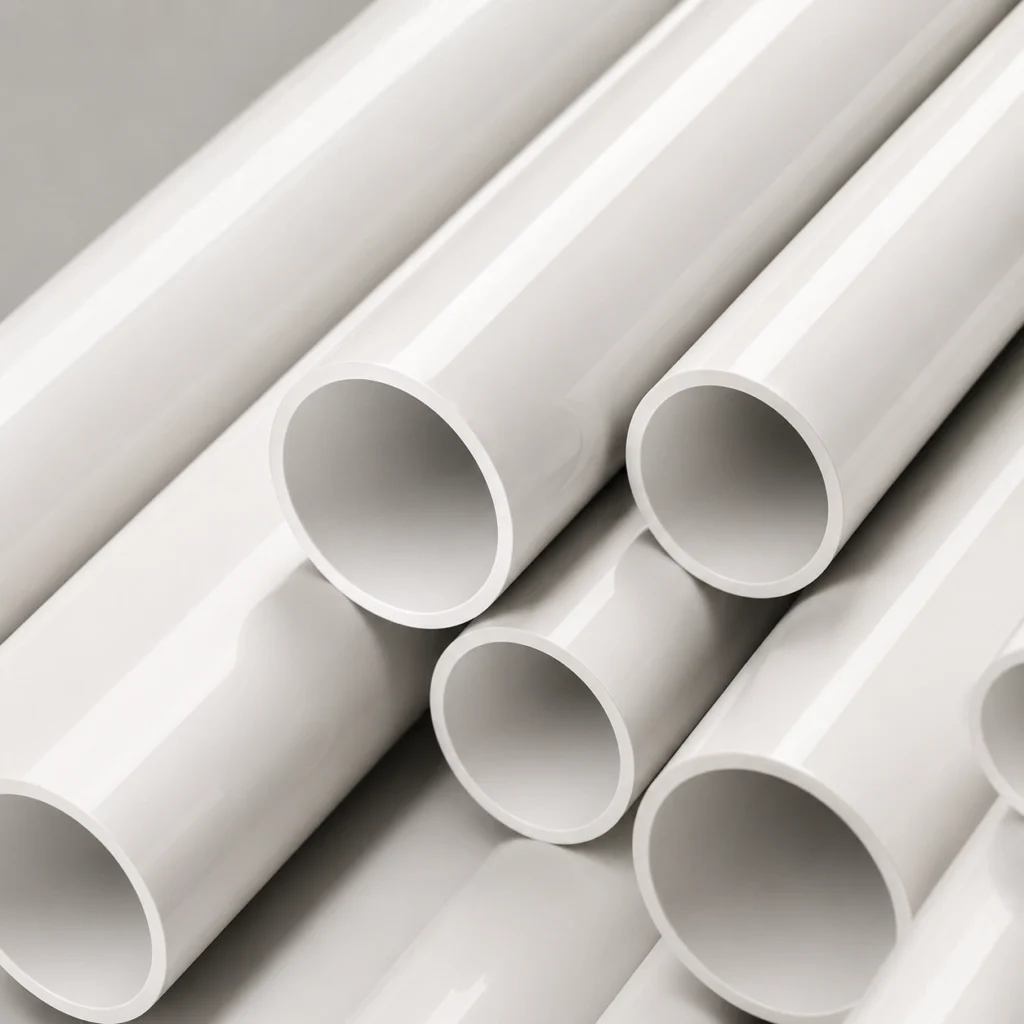
Its polyhydroxy structure reacts or forms complexes with hydrogen chloride (HCl) generated from PVC degradation, slowing down autocatalytic dehydrochlorination.
Core Advantages
- Non-toxic and environmentally friendly auxiliary stabilization.
- Works with calcium, zinc and barium metal soap stabilizers to improve initial color and long-term thermal stability.
End-Use
{acf_application_items_end_use_examples}
Technical Documents
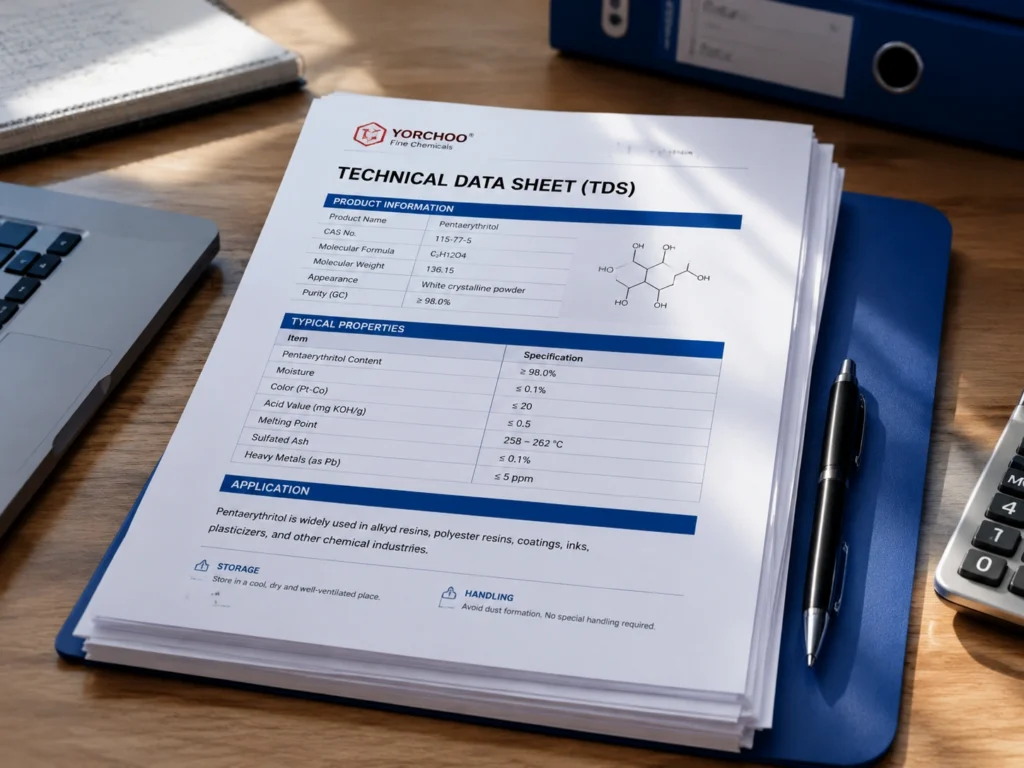
Technical Data Sheet (TDS)
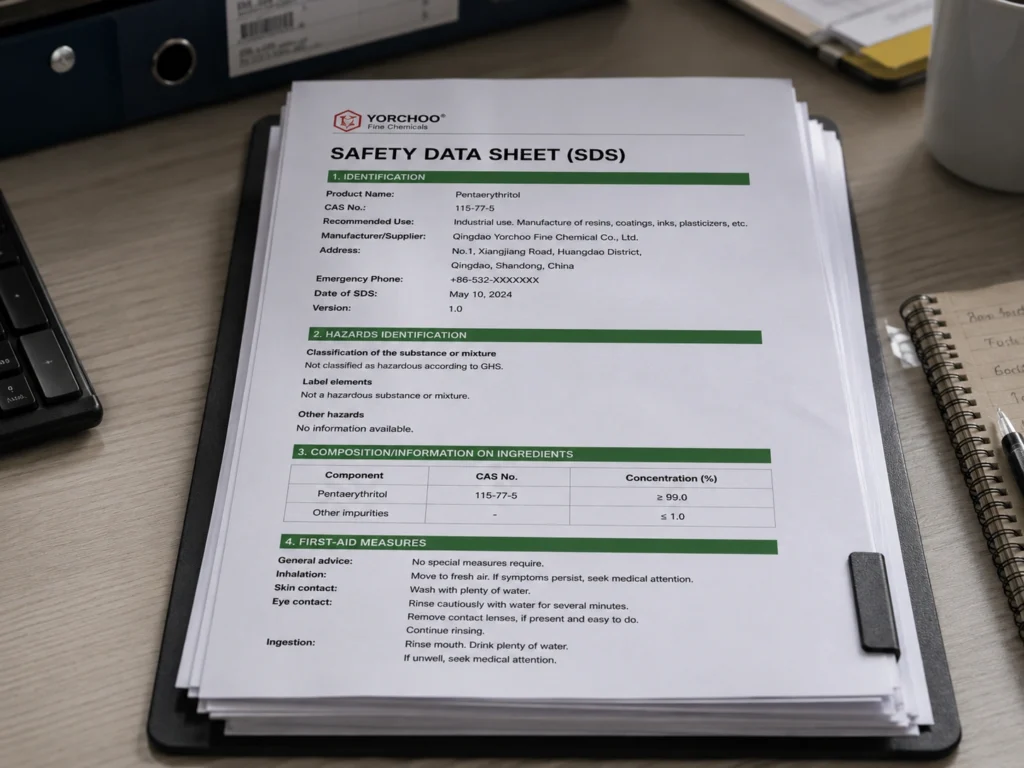
Safety Data Sheet (SDS)
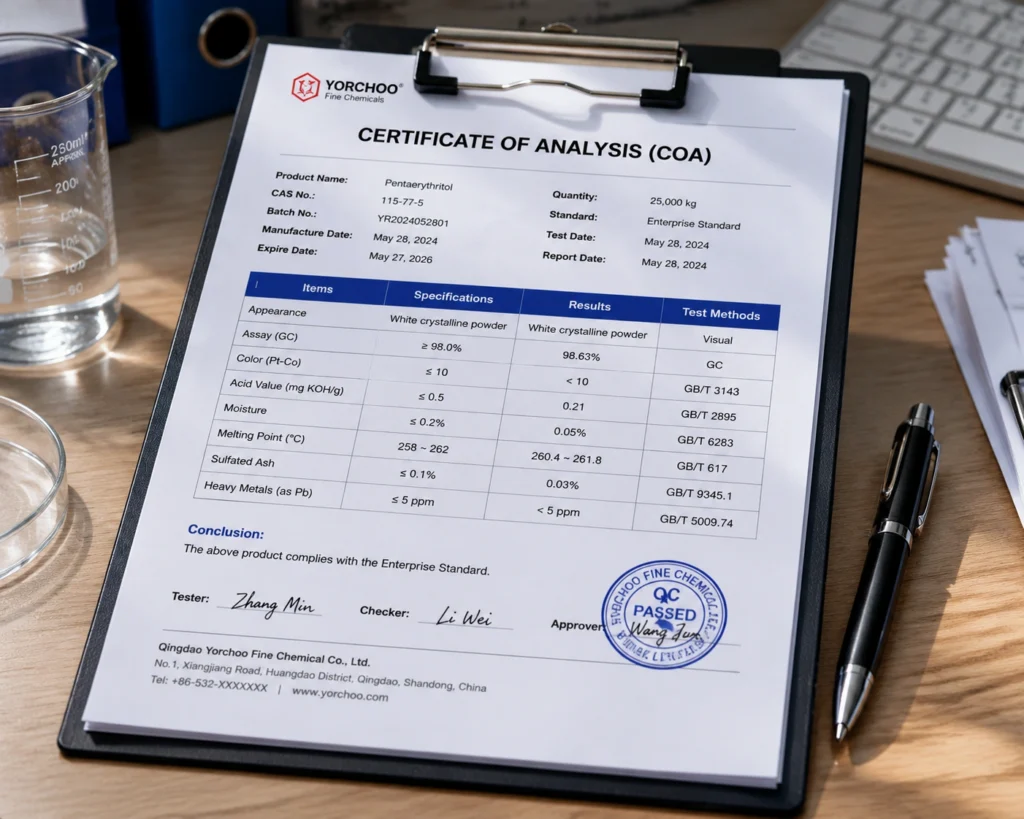
Certificate of Analysis (COA)
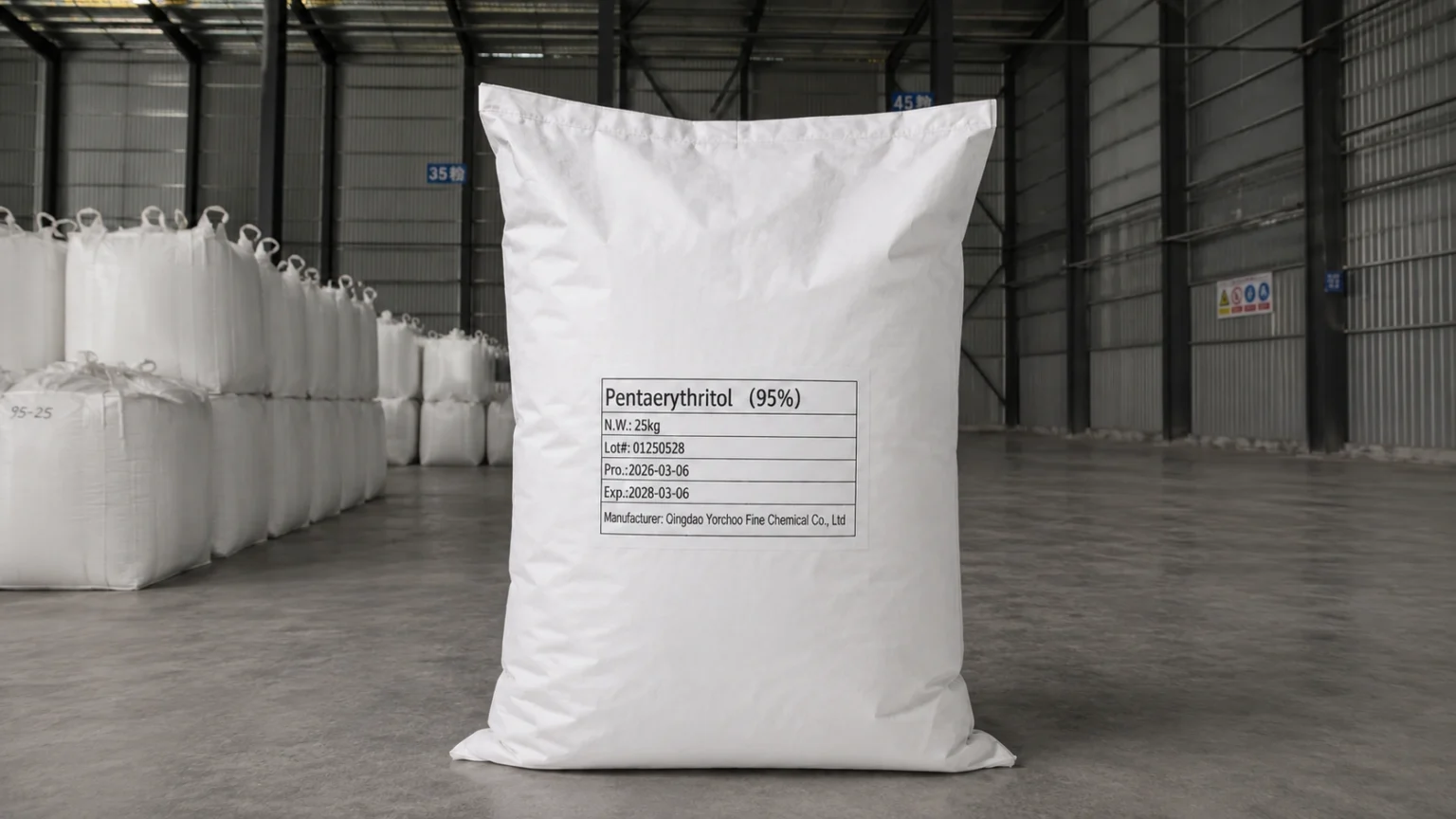
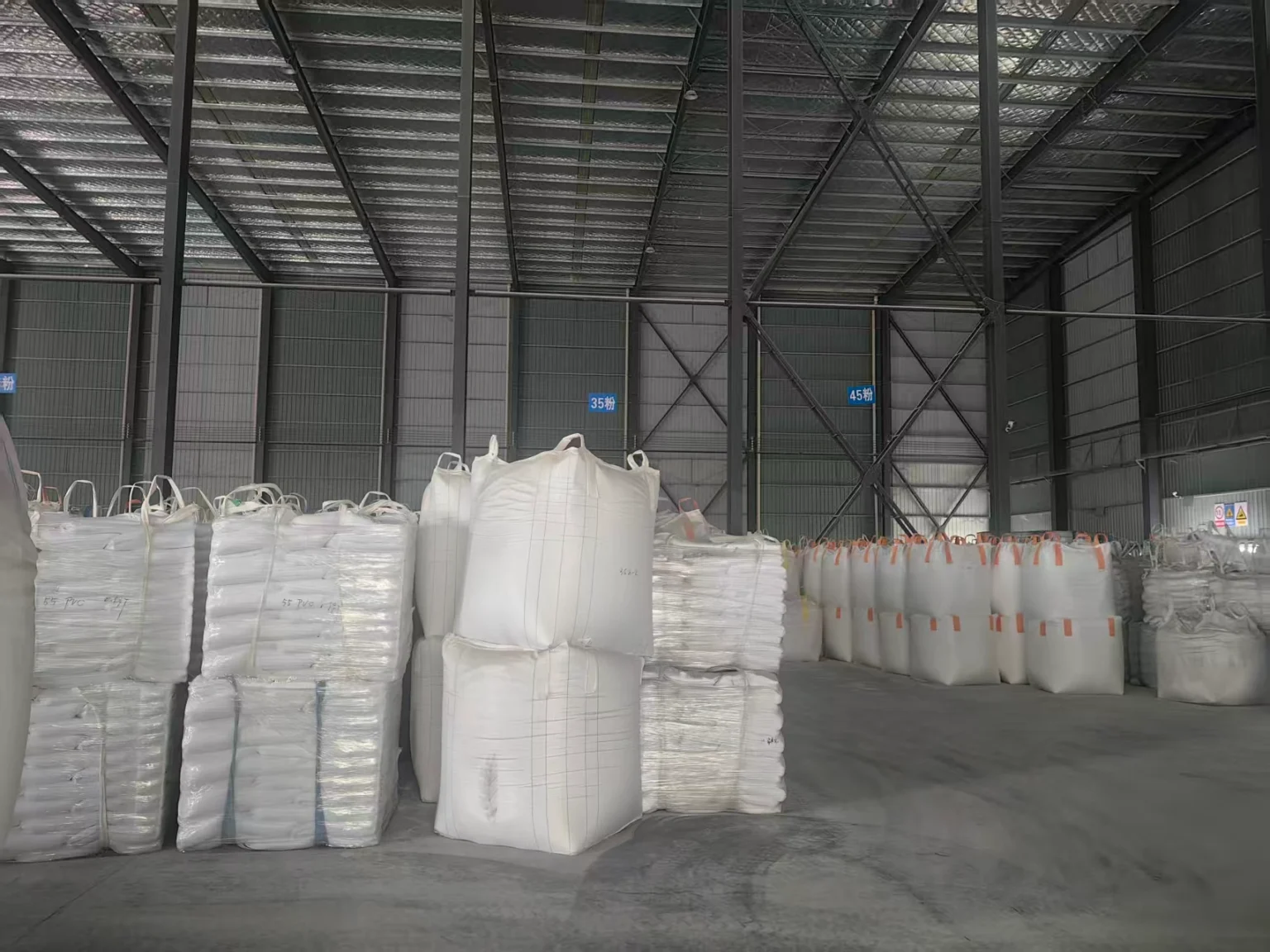
Industrial Packaging
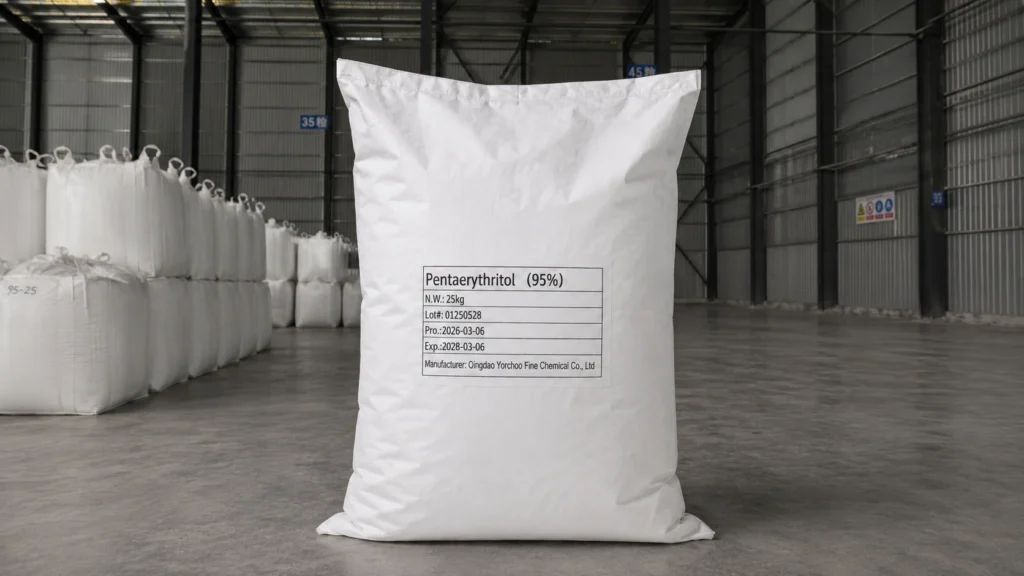
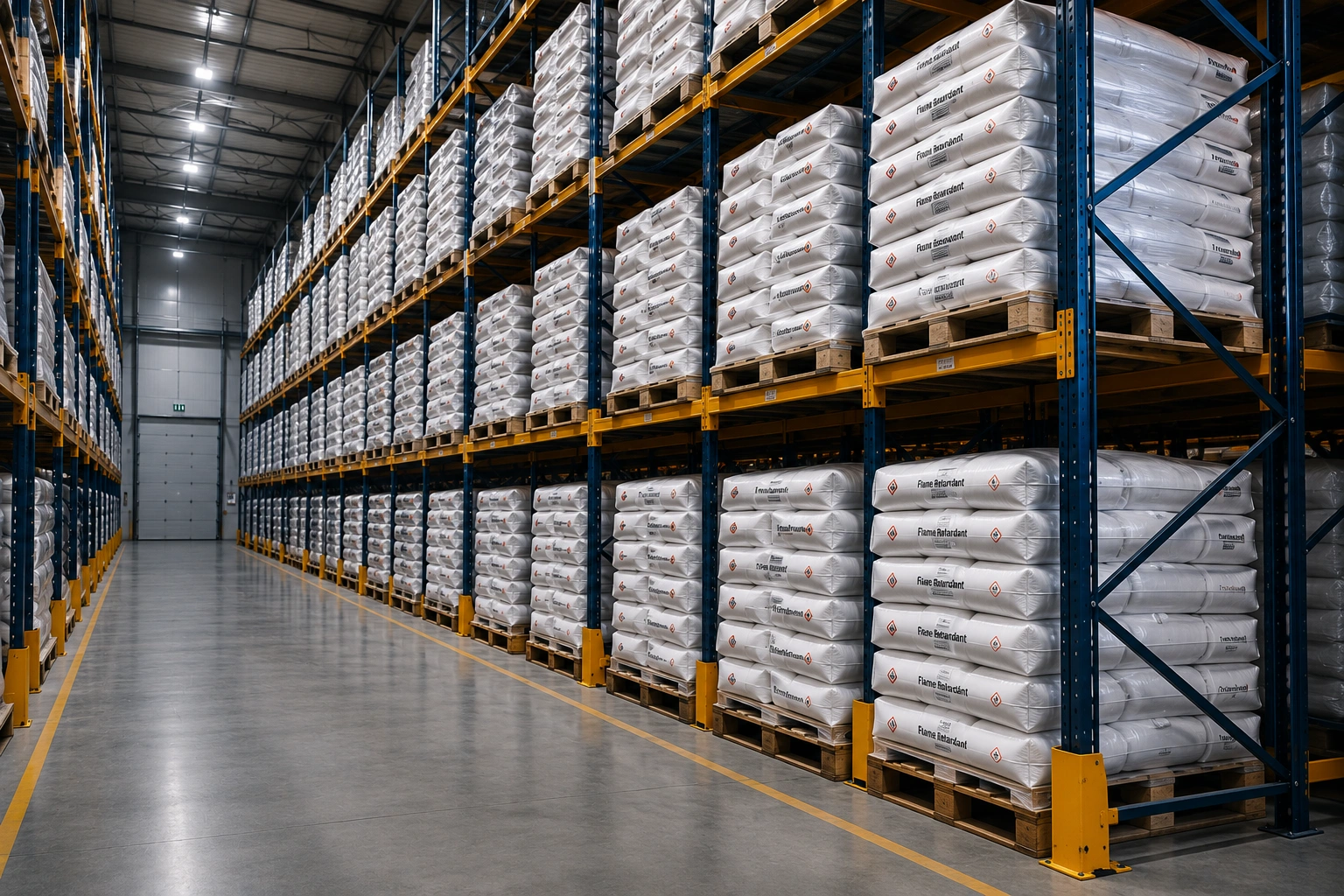
25kg Bags
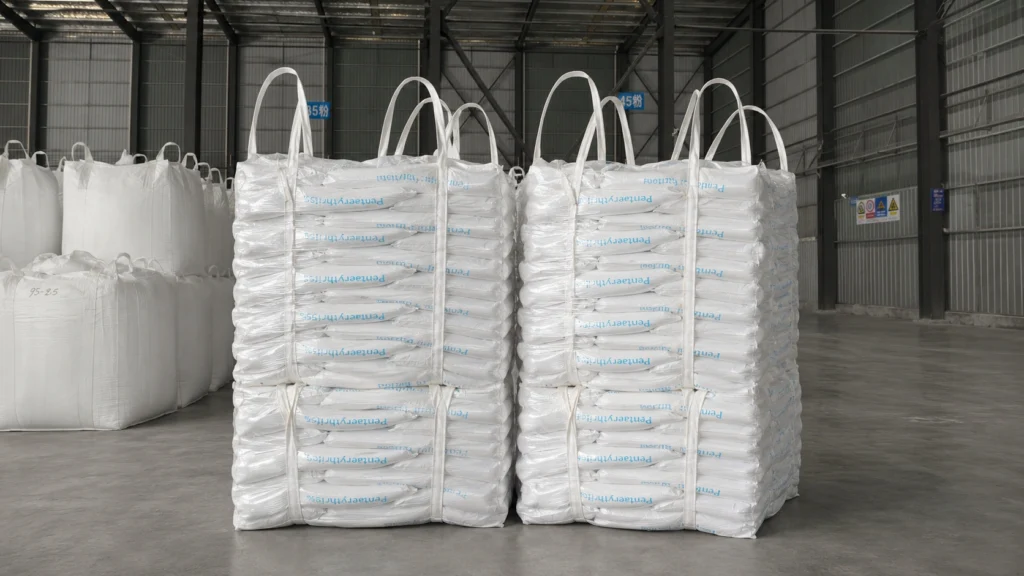
500kg / 1000kg Bulk Bags
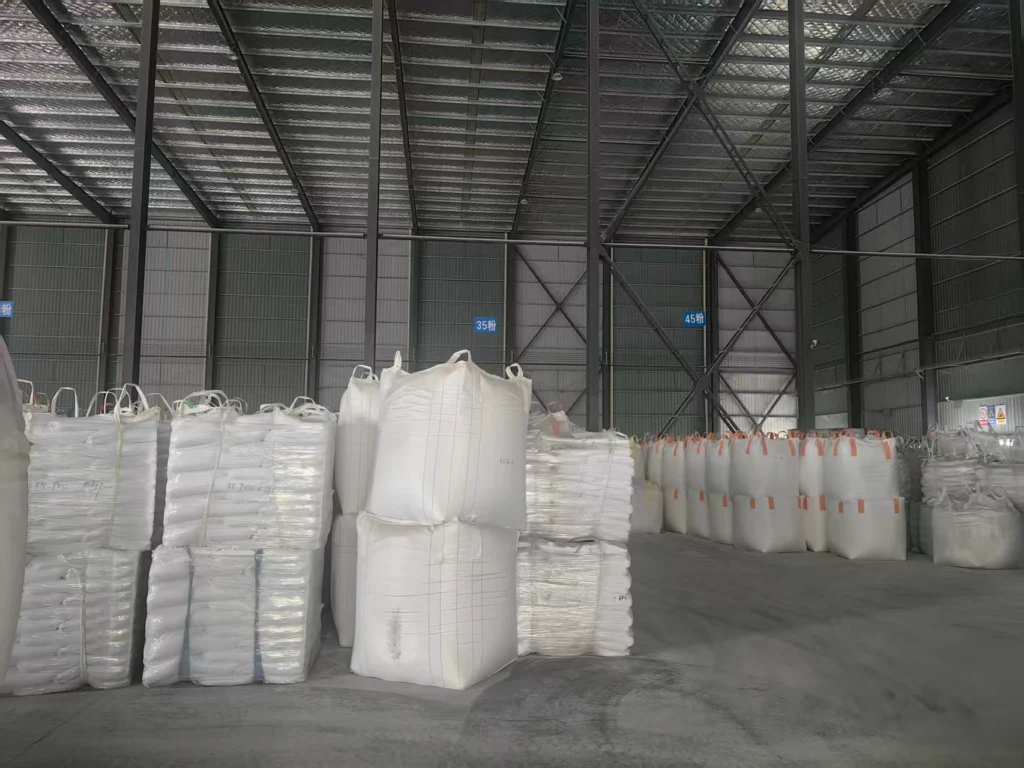
Palletized Delivery
Typical Industry Customers
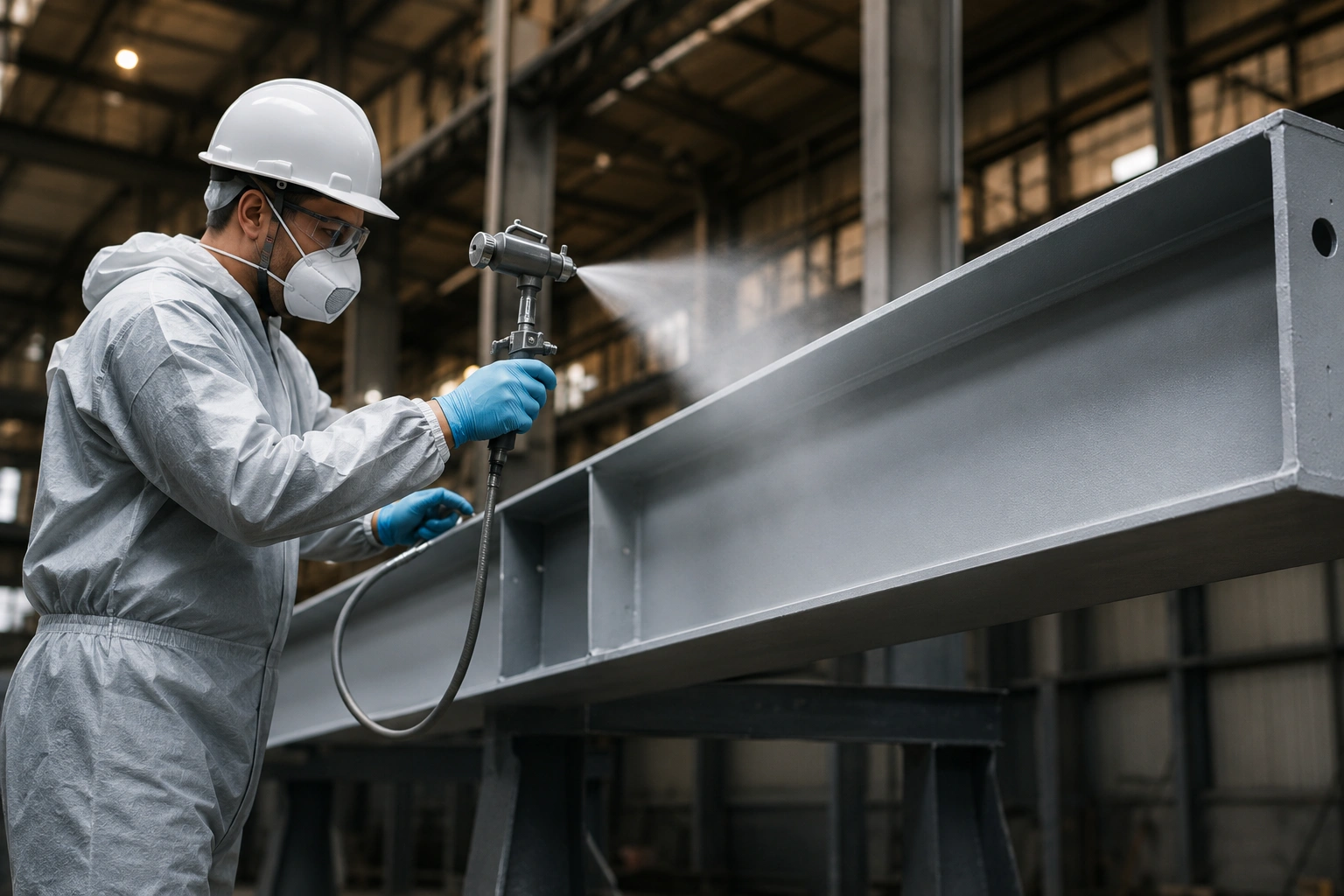
Fire-resistant Coating Manufacturers
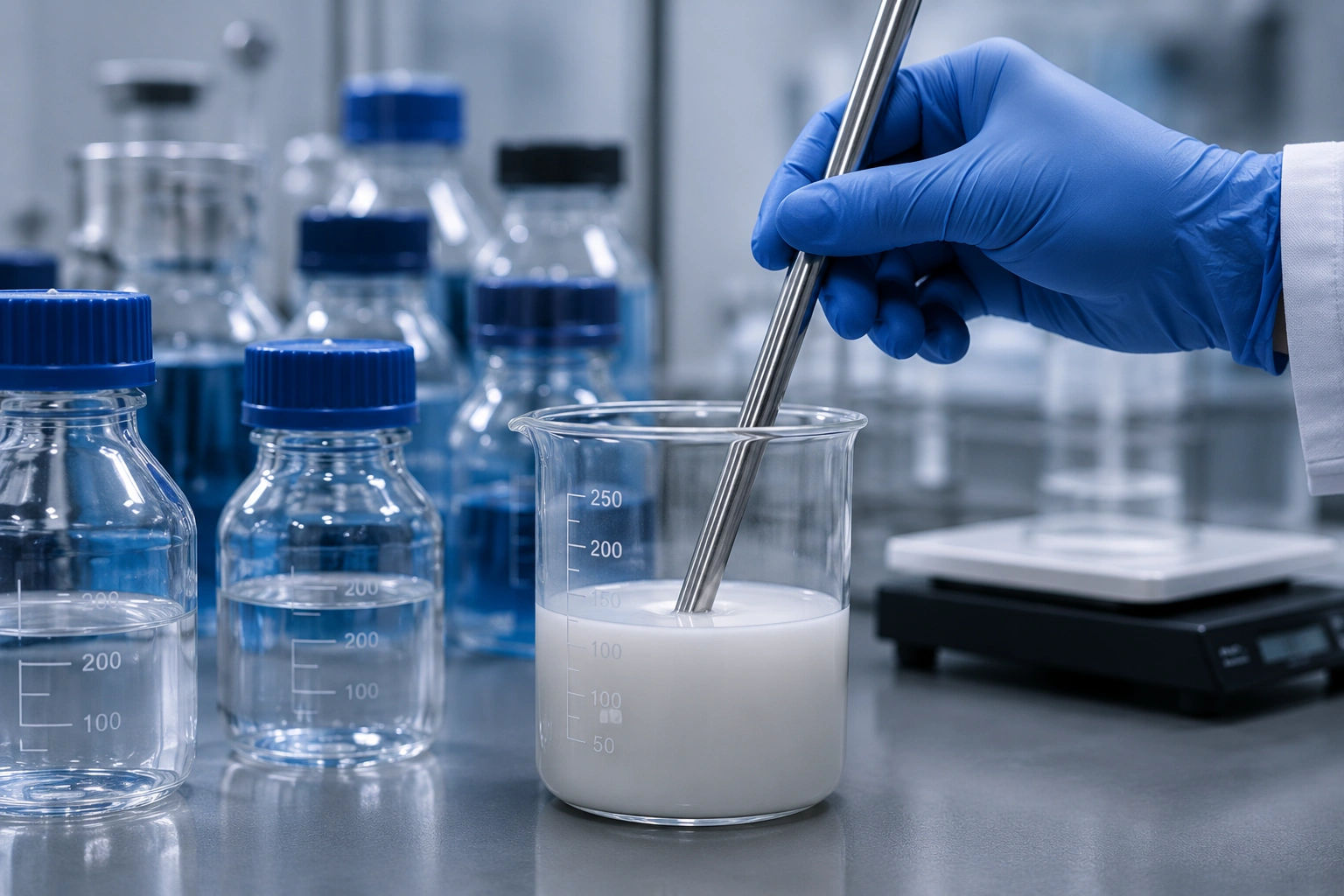
Flame Retardant Formulators
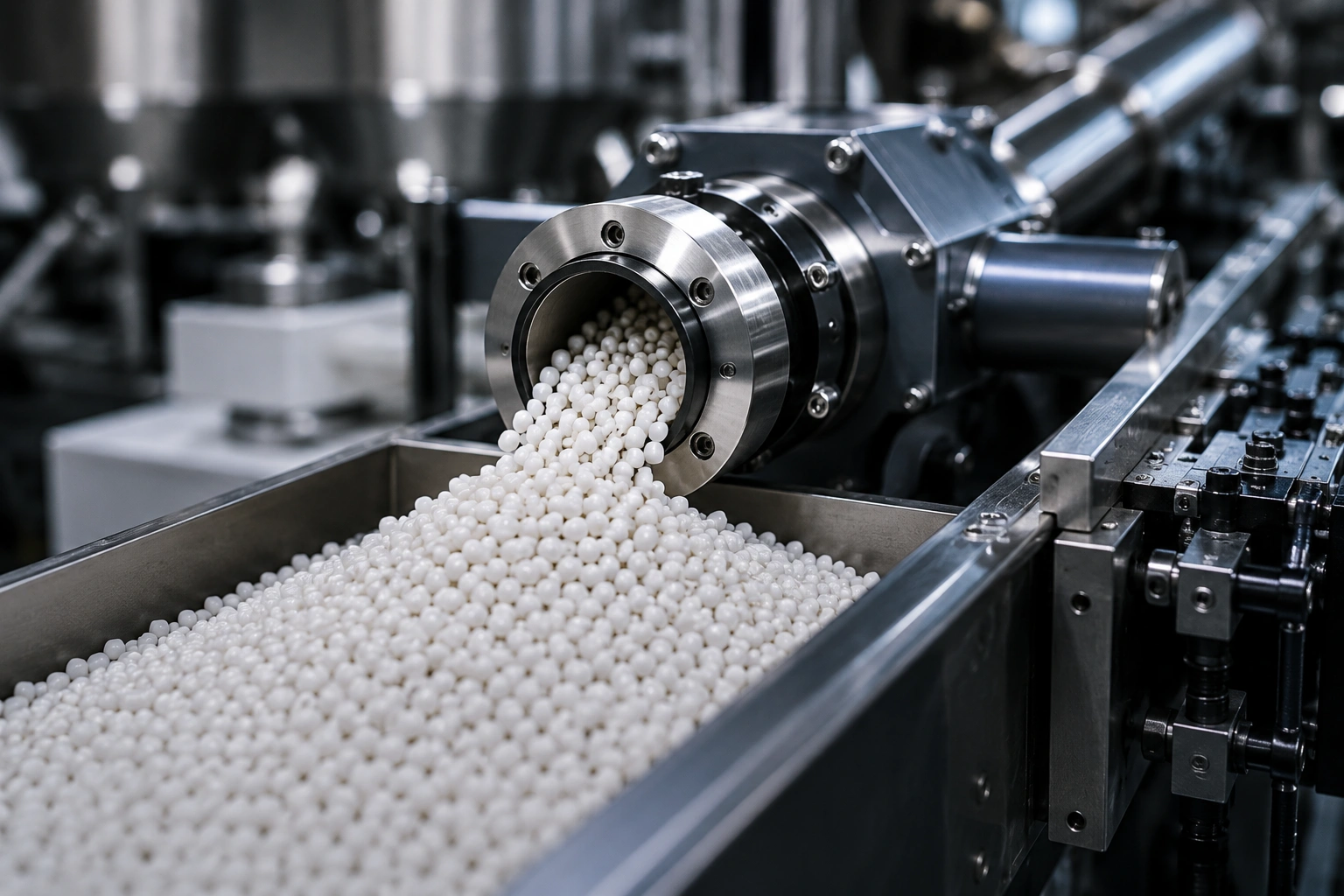
Plastic Compounders
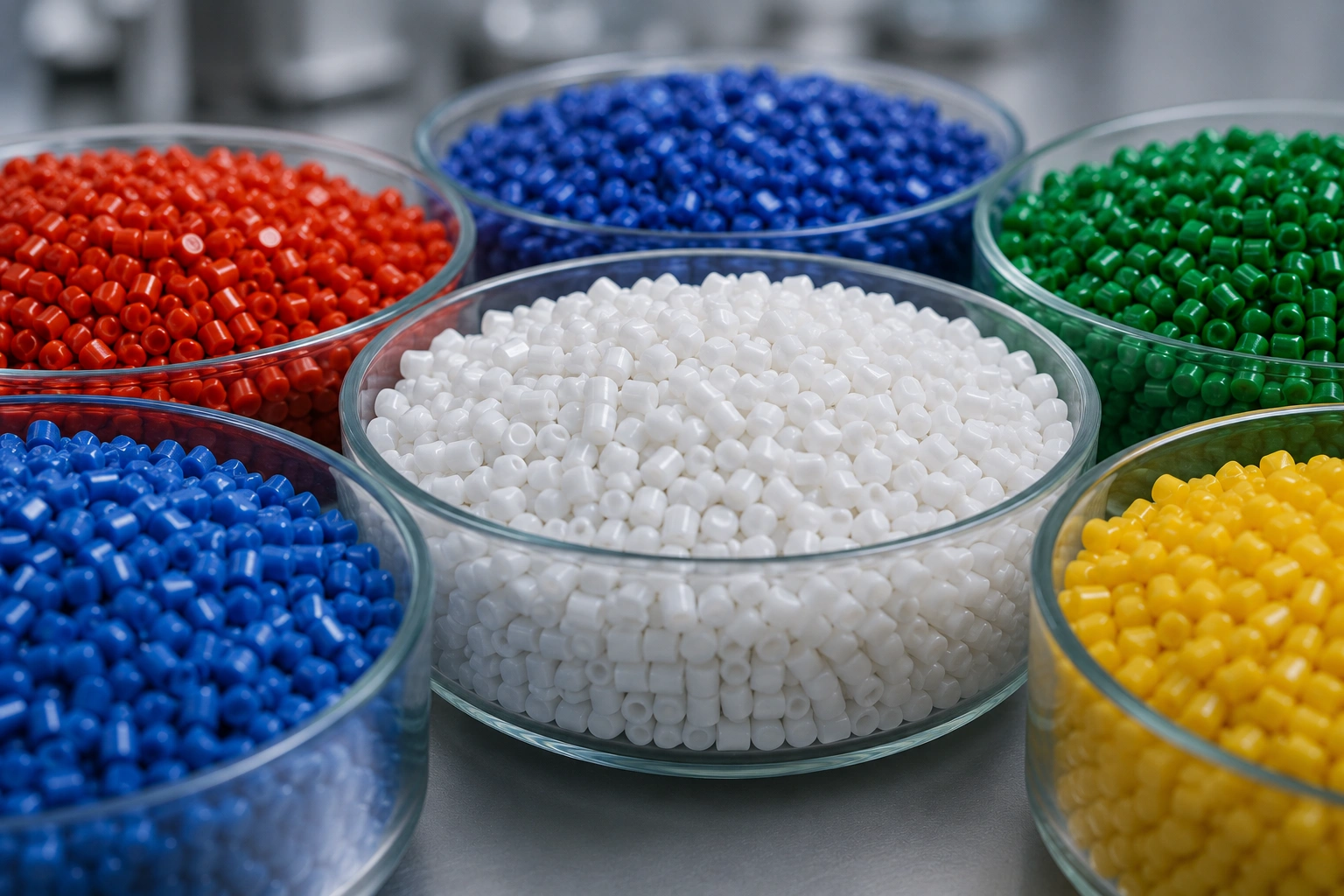
Masterbatch Producers